Scientists raise concerns over EU pesticide risk assessment reforms
Several renowned scientists, including WildPosh partners, have voiced serious concerns about the future of pesticide risk assessment in the EU in a new piece published in Science. According to the authors, the European Commission's proposed Omnibus package will amplify current issues with environmental risk assessment and jeopardise commitments to protect the health of both people and the environment.
The current pesticide regulations in Europe require re-evaluating whether a substance is safe for humans and the environment every 10 years. New data and independent scientific studies might hinder the renewal of an application. For a substance to receive approval, manufacturers must submit study data according to a tiered model - from laboratory studies to higher-tier ones that are closer to real-life conditions. They can then choose the EU country that reviews the application.
Critics have taken issue with this system for ignoring the effects of substance mixtures, not including certain species - such as bats, reptiles and amphibians - in the evaluations, and allowing manufacturers to choose where they are evaluated, which often leads to them selecting countries with less stringent criteria. The identification and phase-out of harmful substances is also much slower than ideal.
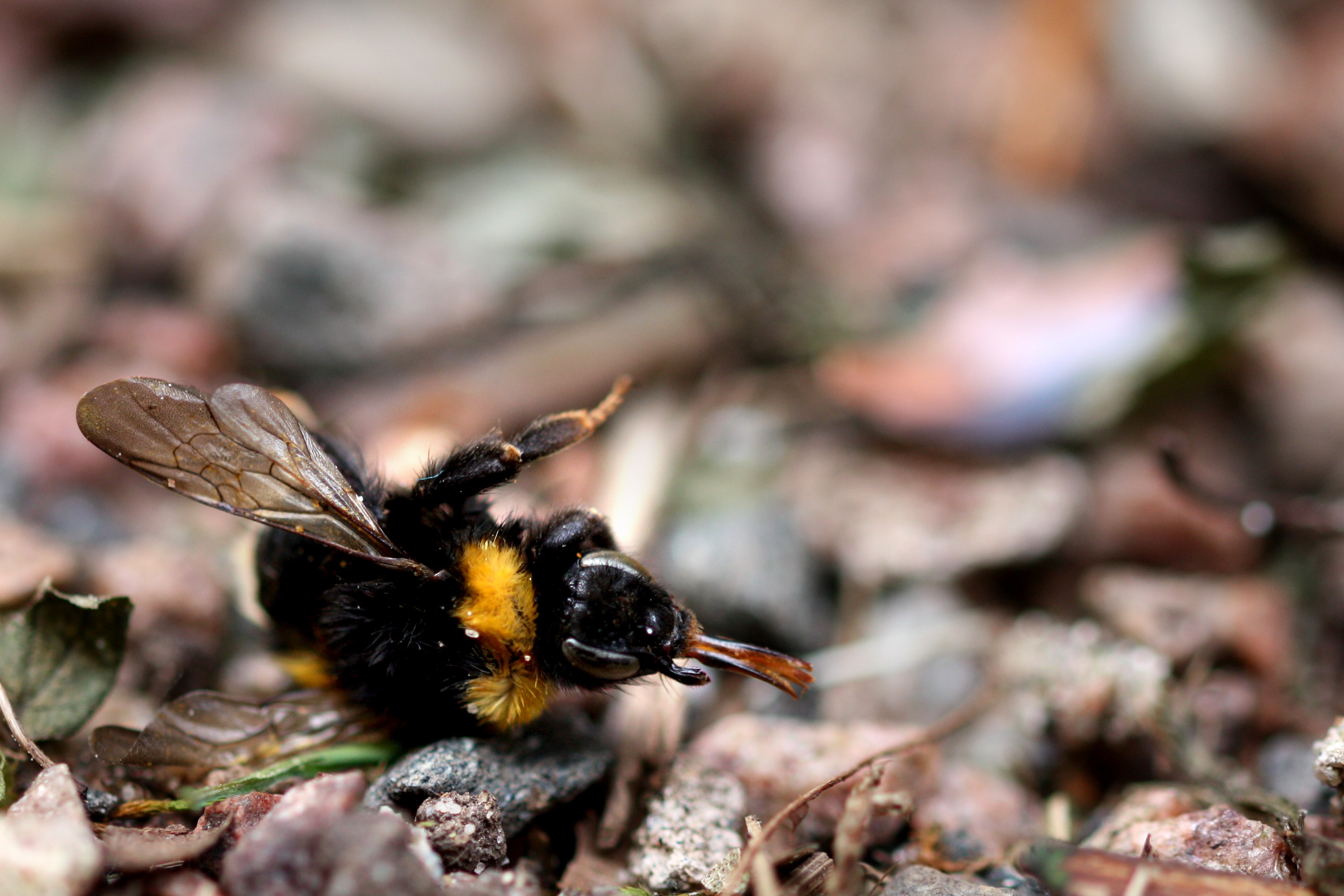
Photo credit: Theresia Krausl
The proposed Omnibus package attempts to reduce bureaucracy and regulatory burden - but the authors argue that it might do so at the expense of the environment and people.
The most notable change is that it would remove the requirement to reevaluate each substance every 10 years. This might create risk assessment gaps - substances might remain untested under new methodologies and in light of new scientific knowledge. Some substances will be required to undergo reassessment based on emerging data, but according to the authors, this approach would allow economic and political considerations to influence decisions.
Moreover, this assumes that such scientific data will emerge without scientists having the opportunity to actively look for it. New findings would depend on a scientific community that does not have access to funding and to pesticide-use data. The Omnibus package would also allow for longer phasing-out periods for more harmful substances.
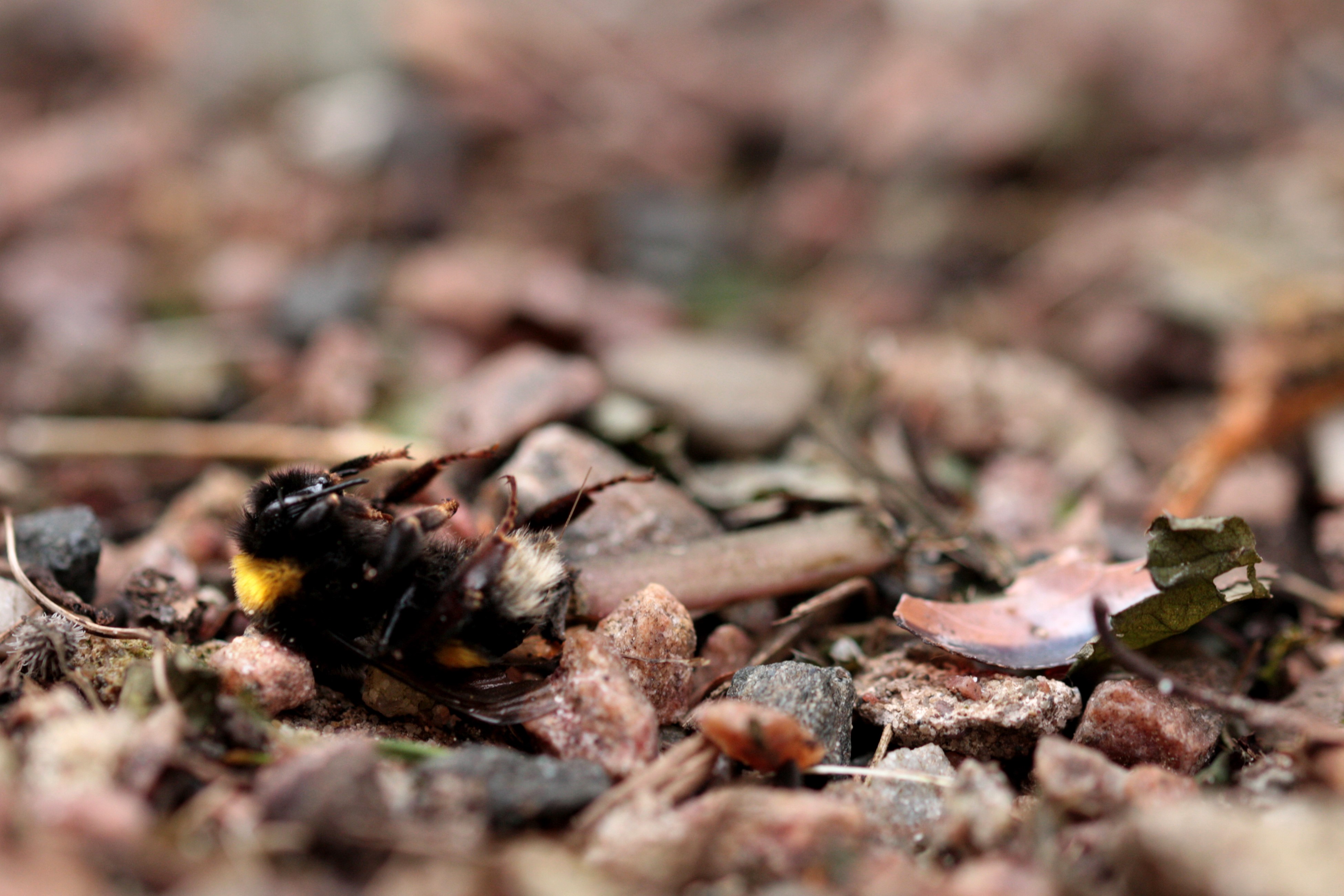
Photo credit: Theresia Krausl
According to the authors, all of this would slow the identification of harmful substances and reduce incentives to find safer alternatives. This risks undermining both the EU's environmental commitments and society's trust in the regulatory process.
The authors propose a safer way to reduce both pesticide harm and regulatory burden. Although this strategy might require more initial effort, they suggest it would lead to significantly better outcomes in the medium and long term.
These suggestions include:
- Improve coverage for species and groups that are not well-studied;
- Test against protection goals
- Remove the option for the manufacturer to choose in which country to be evaluated
- Increase transparency by making studies on the risks of substances open access on a dedicated EU servers
This approach promises to improve the detection of harmful substances before they enter the market, create more transparency and support the EU's environmental commitments.