La Vanguardia interview with WildPosh coordinator
In a recent La Vanguardia feature, WildPosh’s coordinator, Professor Denis Michez, discusses the importance of citizen science and the potential of AI for biodiversity monitoring. He also emphasises the role of scientific research in informing EU policy and cultivating public participation.
WildPosh in focus
Prof. Michez highlights his involvement in WildPosh and outlines the project’s objectives and approaches for studying the effects of pesticides on European wild pollinators. He comments on how WildPosh addresses a gap in research, as most existing studies to date have focused predominantly on honeybees. Additionally, he emphasises on the project’s aim to provide scientific insights that can guide both EU policymakers and the general public.
The WildPosh project evaluates the sensitivity of multiple pollinator species - including bees, flies, and butterflies - through a combination of controlled laboratory trials and field studies in Spain, Germany, Estonia, and the United Kingdom. Molecular analyses are conducted to gain insight into the internal effects of pesticides. Results are translated into reports and public awareness campaigns.
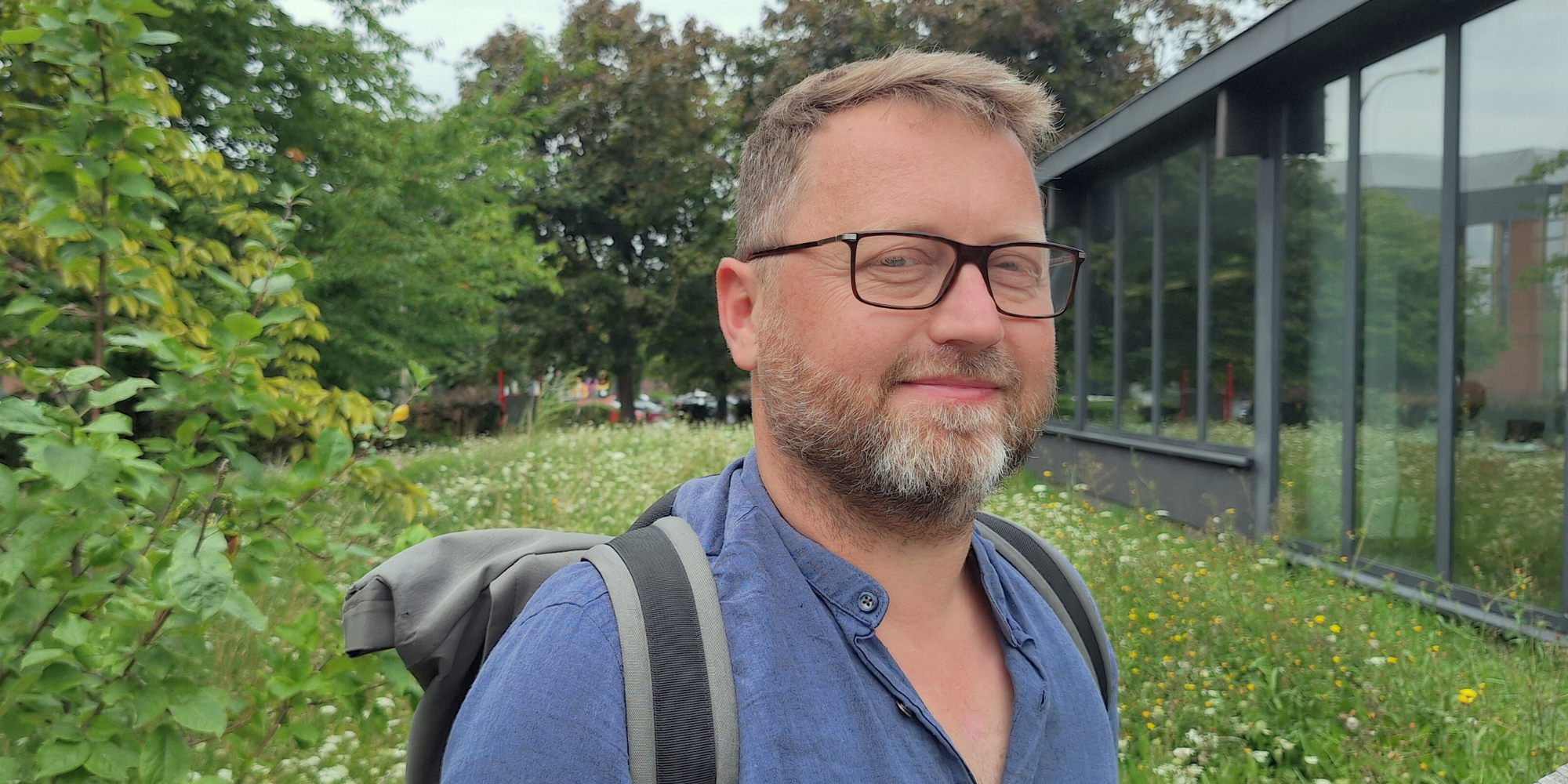 Prof. Denis Michez, coordinator of WildPosh
Engaging the public in pollinator research
During the interview, Prof. Michez also discusses his role in Insect AI, a COST programme-funded project still in its early stages. He emphasises the practical applications of AI for pollinator monitoring and the importance of engaging the public in data collection. When discussing the challenges of monitoring pollinators, Prof. Michez notes:
“The main problem with insect monitoring specifically is their enormous diversity. There are 226 known mammal species in Europe; however, there are more than 2,100 different species of bees alone. And that's not even counting flies, butterflies, and other groups of pollinating insects.” (Prof. Denis Michez, La Vanguardia, 8 September 2025, translated from Spanish)
For this reason, citizen participation is essential for gathering valuable data and constructing scientific knowledge.
Prof. Michez explains that to effectively raise awareness about pollinators, facts should be supported by concrete solutions at both the individual, micro, and policy, macro, levels.
“In the case of pollinators, we have the advantage of having very clear technical, social, and political solutions.” (Prof. Denis Michez, La Vanguardia, 8 September 2025, translated from Spanish)
Finally, he comments on public perceptions of pollinators and their conservation. Although public awareness of the ecological importance of pollinators is increasing, and laws are being passed to support their protection, awareness needs to be translated into action. That is why applications and initiatives must be engaging and user-friendly. Because pollinators are accessible to everyone, people can easily get involved and contribute valuable information to monitoring efforts.
Read the full La Vanguardia article.